
Rejected! But Why? The Surprising Reasons Why Your Passport Photo was Denied.
Read on for the top reasons
Have you ever been excited to apply for a passport, only to be told your photo isn’t up to scratch? Believe it or not, this happens more often than you think! Whether you’re applying for a brand new passport, renewing an old one, or simply getting ready for your next big holiday, the last thing you want is to have your passport photo rejected. Today we’ll look at the surprisingly common reasons why your passport photo might have been denied.
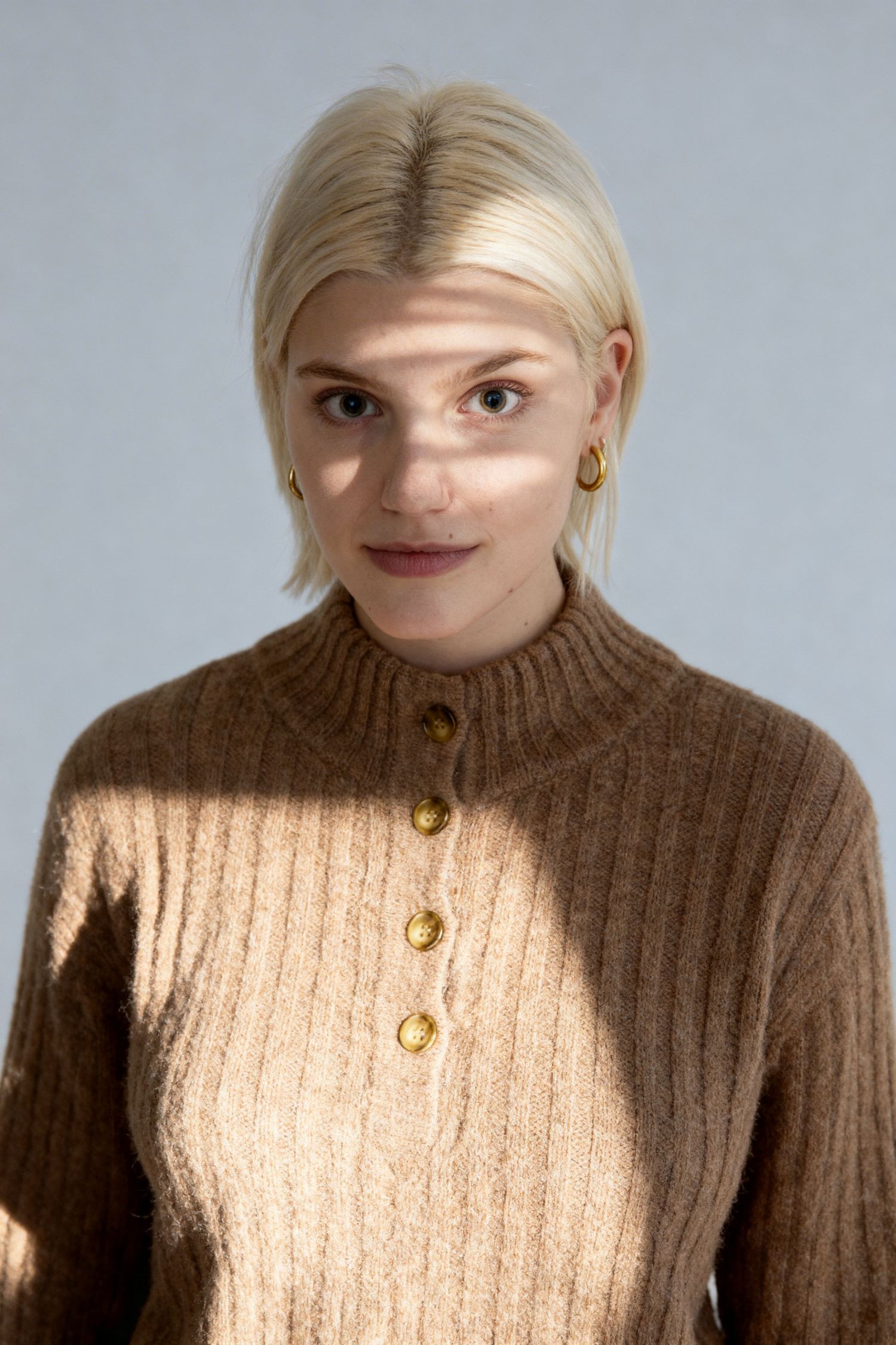
Shadows
Passport photos can be rejected if there are shadows on the face or in the background because they make it harder to clearly identify the person. When shadows fall across the face, they can hide important features like the eyes, nose, or jawline, which are essential for both manual checks and facial recognition systems. Background shadows can also cause the photo to fail official requirements, which typically demand a plain, evenly lit backdrop. For this reason, proper lighting is crucial to ensure passport photos meet guidelines and avoid rejection.
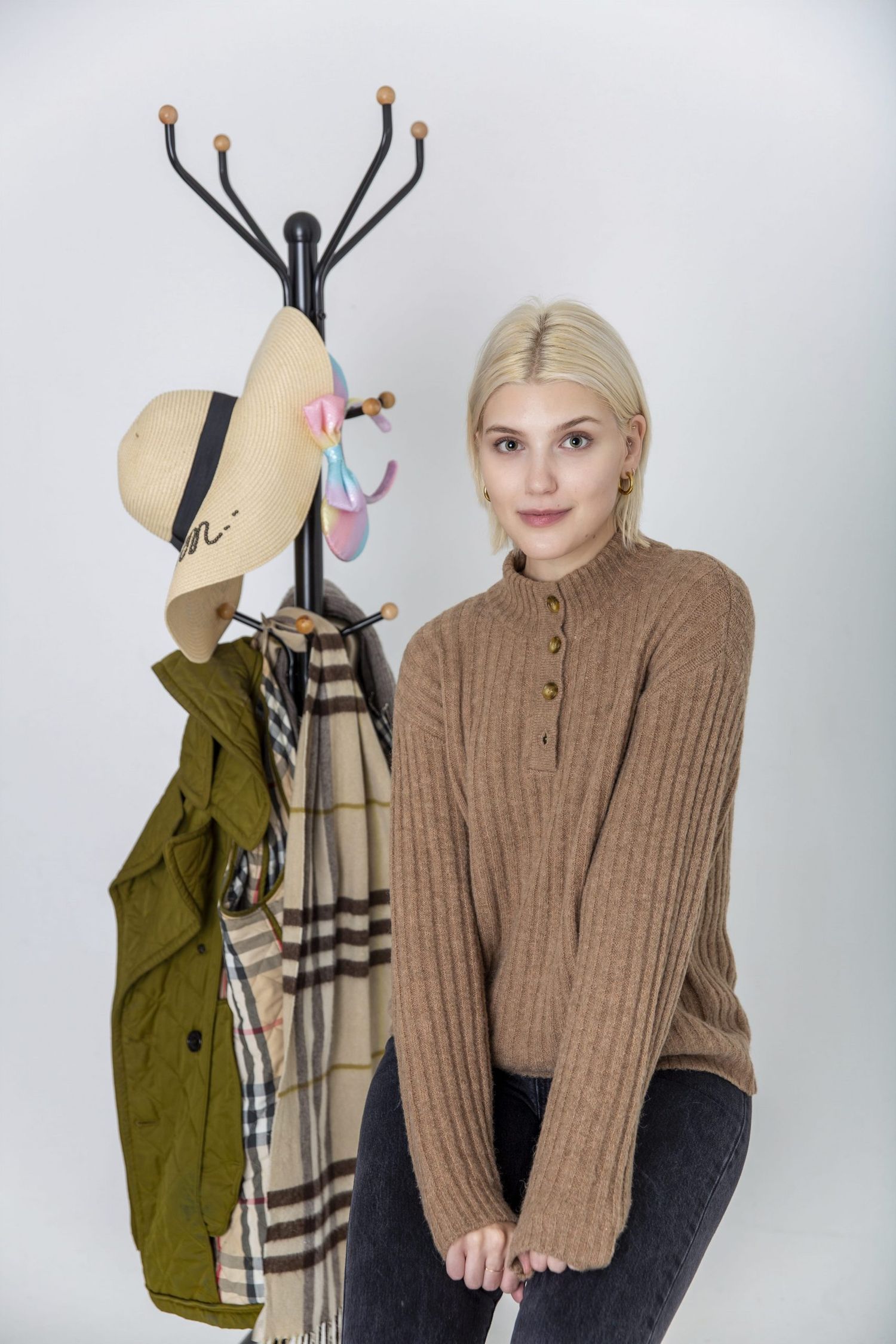
The background
When taking a passport photo, following the correct background requirements is essential to avoid rejection. Passport photos must have a plain white or light-coloured background, so it’s important to avoid busy patterns, textured walls, or distracting objects behind you. An unsuitable background is a common reason why passport photos get rejected. You should also ensure there is enough contrast between your skin tone and the background, as low contrast can make facial features harder to distinguish. If your features are not clearly visible, the photo may fail both manual checks and facial recognition systems, leading to a passport photo rejection.
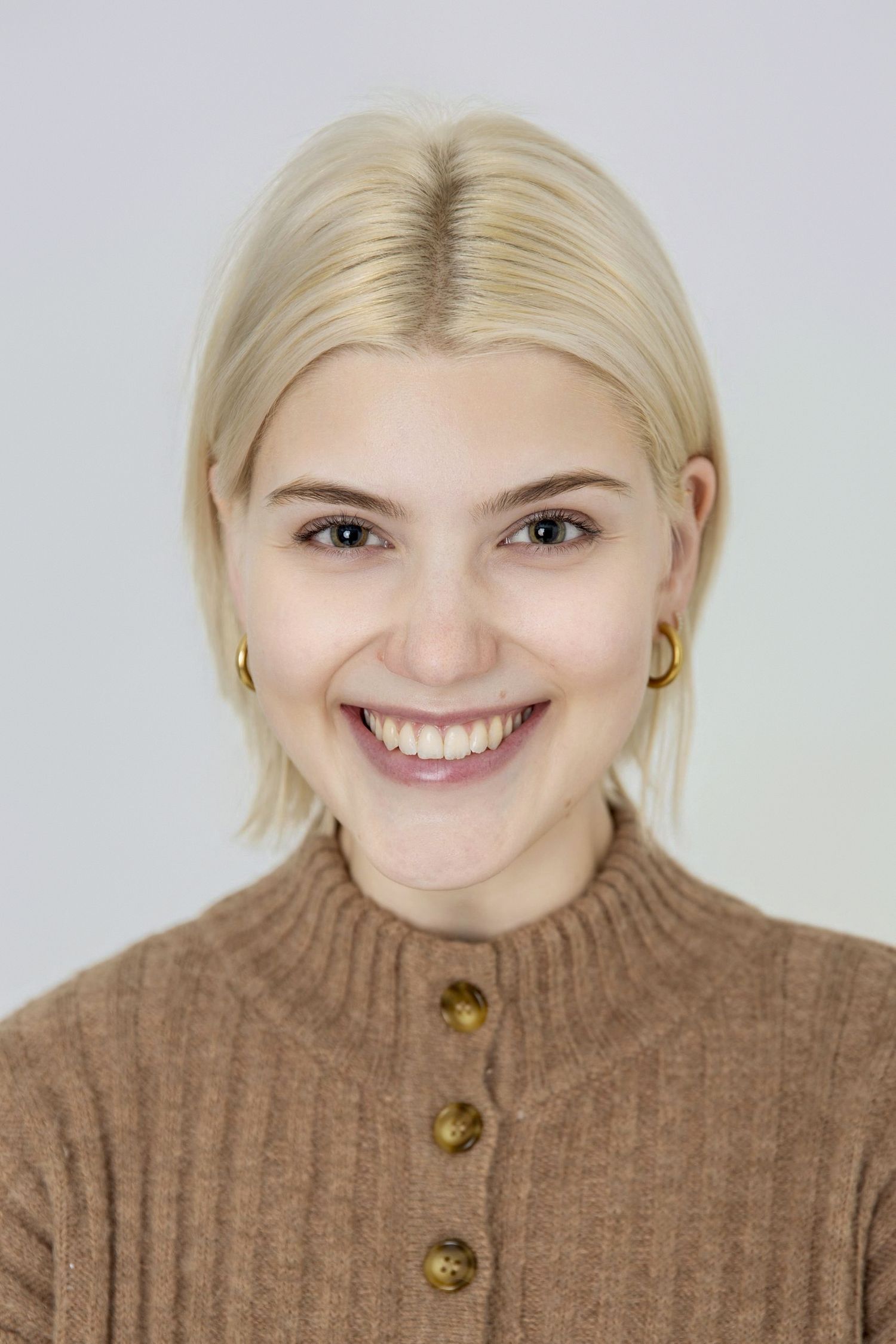
Smilling
Maintaining a neutral expression is essential when taking a passport photo, as smiling is a common reason for passport photo rejection. Official passport photo guidelines require a natural, neutral face with your mouth closed and eyes clearly visible. Smiling, especially with teeth showing, can alter your facial features and make it more difficult for facial recognition systems to accurately identify you. In some cases, a smile can also create shadows or distort the shape of your face, which may lead to your passport photo being rejected. To ensure your photo meets the requirements, keep your expression relaxed, your mouth closed, and avoid any exaggerated facial expressions.
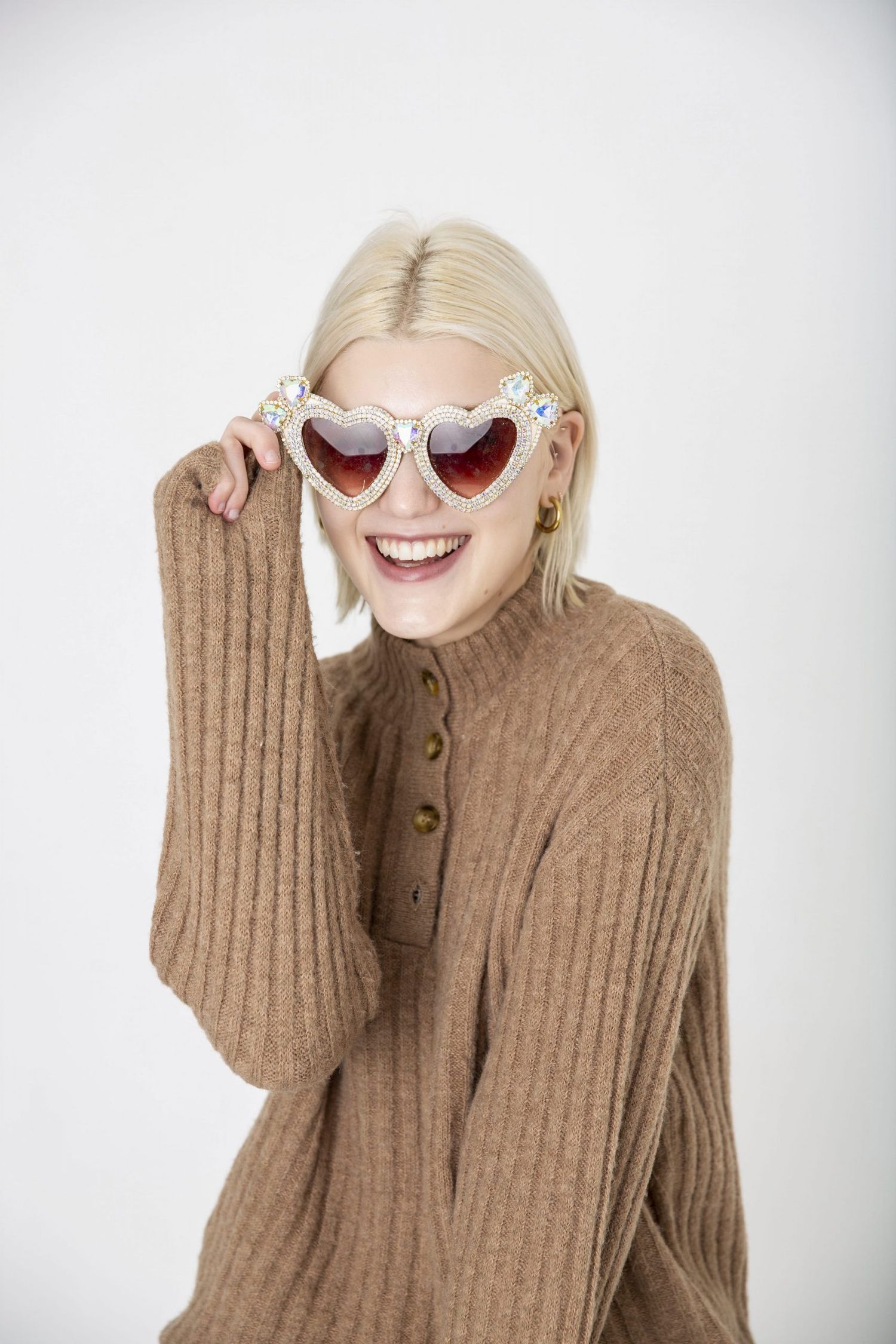
Wearing Glasses
Wearing glasses in a passport photo is a common reason for passport photo rejection, as they can obscure important facial features. UK and international guidelines advise that you should remove glasses to ensure your eyes are fully visible and free from glare, reflections, or shadows. Even clear lenses can reflect light, while thick frames may cover parts of the eyes, both of which can lead to a rejected passport photo. Sunglasses or tinted lenses are strictly prohibited. In rare cases, glasses may be allowed for medical reasons, such as severe vision impairment, but your eyes must still be completely visible with no glare or obstruction. To avoid any risk of rejection, it is best practice to remove your glasses when taking a passport photo.
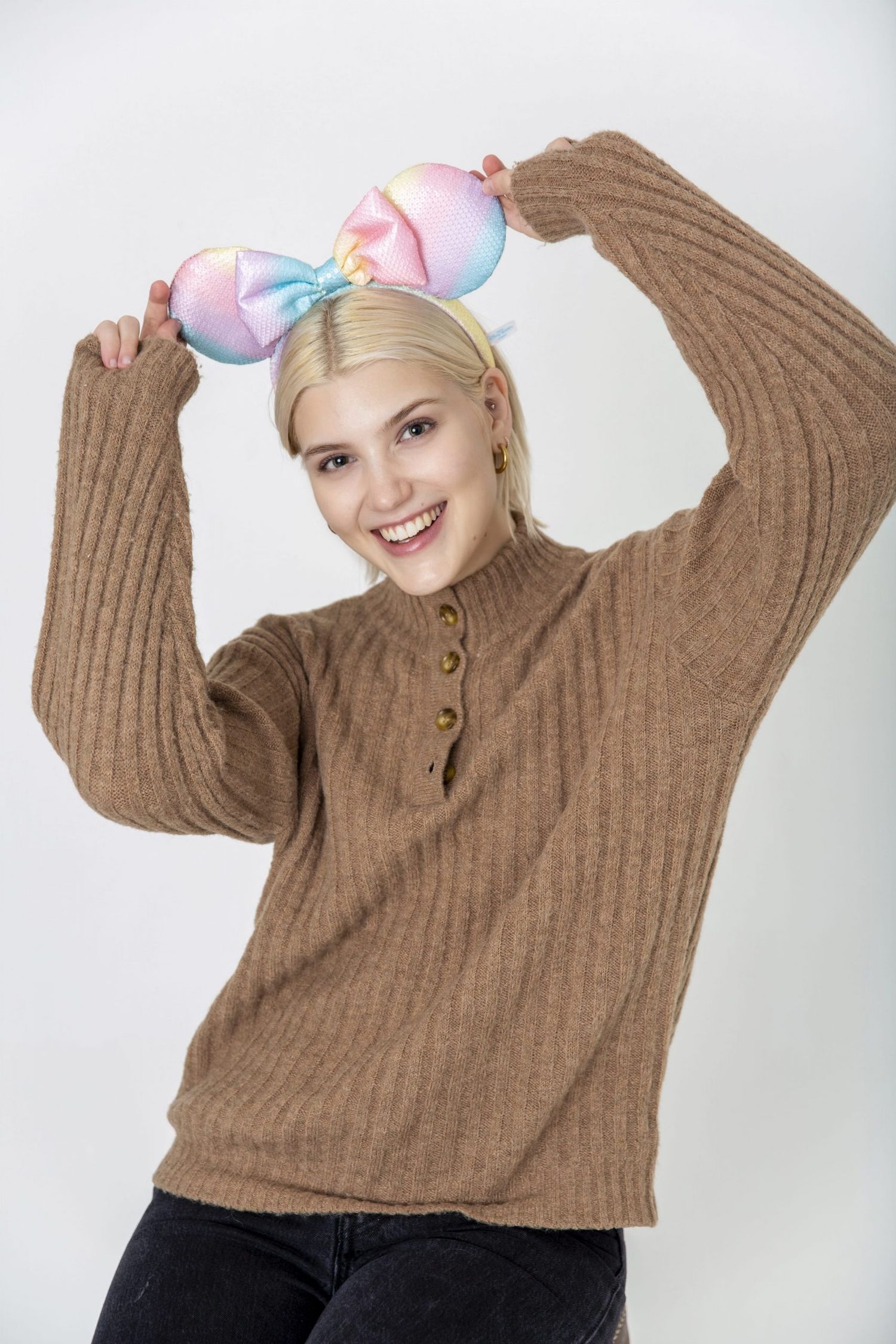
Hair accessories
Hair and headwear can also affect whether a passport photo is accepted or rejected, so it’s important to follow the official guidelines. Your hair should be worn naturally and kept neat, with all hair pulled away from your face so that your full facial features are clearly visible. This includes keeping bangs and sideburns from covering your eyes. Accessories such as hats, headbands, or scarves are not allowed in passport photos, as they can obscure your appearance and lead to a passport photo rejection. The only exception is religious headwear, which is permitted as long as it does not cover your face and all key features remain clearly visible.
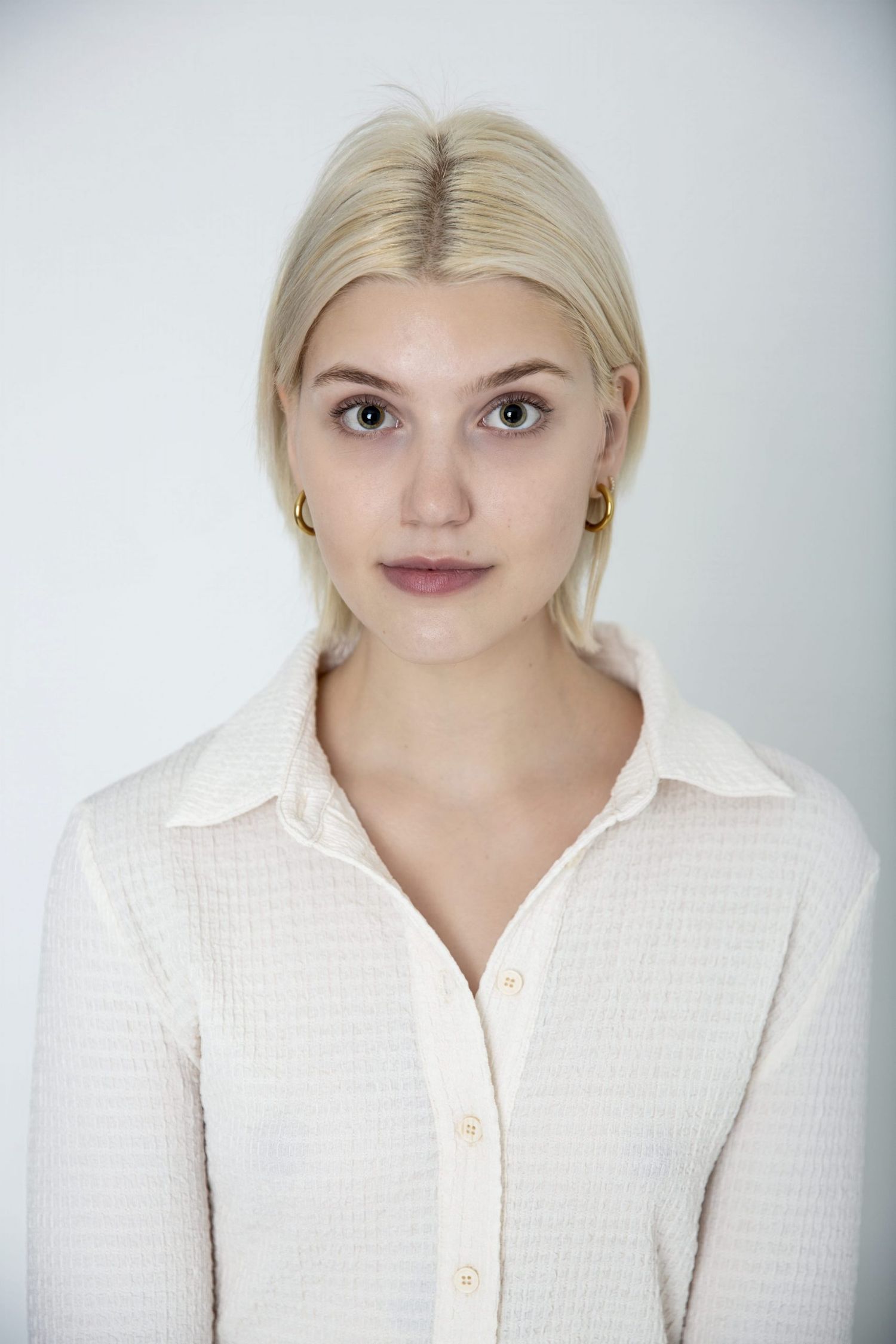
The Wrong Clothing
What you wear in a passport photo can also lead to rejection if it doesn’t meet official guidelines. It’s best to wear simple, everyday clothing and avoid outfits with large logos, bold patterns, or bright designs, as these can be distracting and may not be accepted in a compliant passport photo. You should also avoid wearing white or very light colours, as these can blend into the required plain white background and reduce contrast, making your outline less clear. For the best results, choose darker, solid colours that contrast with the background and ensure your passport photo meets all requirements and avoids rejection.
Using a flash
Using flash when taking a passport photo can often lead to rejection due to poor lighting and unwanted shadows. Flash can create harsh reflections, overexpose the face, or produce shadows behind the head, all of which can cause a passport photo to fail official requirements. It may also result in red-eye or uneven skin tones, making it harder for facial recognition systems to accurately identify you. For the best results, natural lighting is recommended when taking a passport photo. Taking your photo near a window or in a well-lit area with even, soft light will help ensure your features are clearly visible and reduce the risk of your passport photo being rejected.
Using Filters
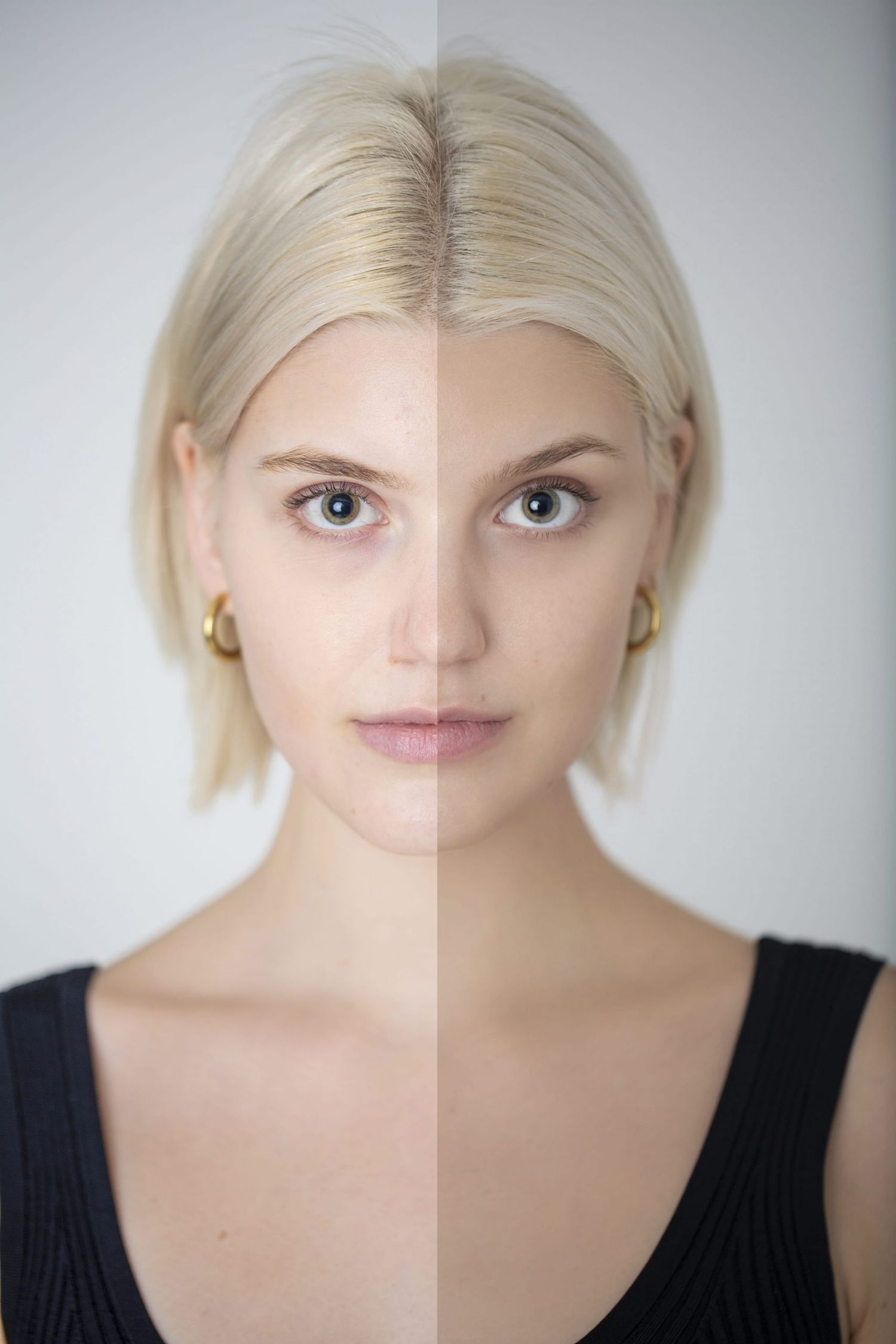
It is essential that passport photos show your natural and realistic appearance, as photos with altered colours or effects can be rejected. Avoid using any makeup or skin filters, beauty apps, or photo-editing software, including social media filters on platforms like Instagram or Snapchat, as these can change skin tone, smooth facial features, or modify your appearance in ways that make the photo non-compliant. Heavy makeup or foundation should also be avoided, as it can significantly alter your natural skin tone. To ensure your passport photo is accepted, keep it unedited and present a true-to-life, natural appearance.
Passport Photos
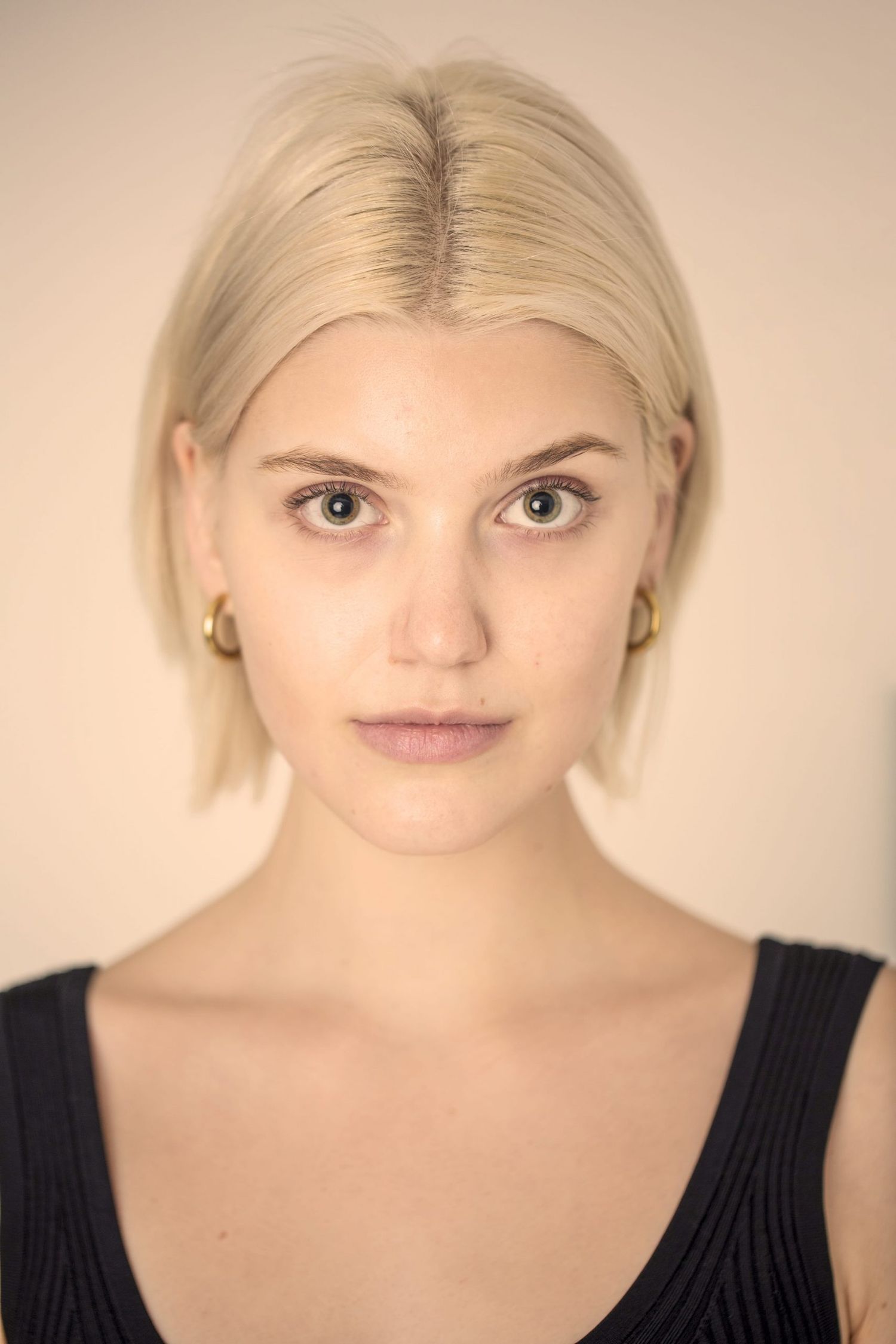
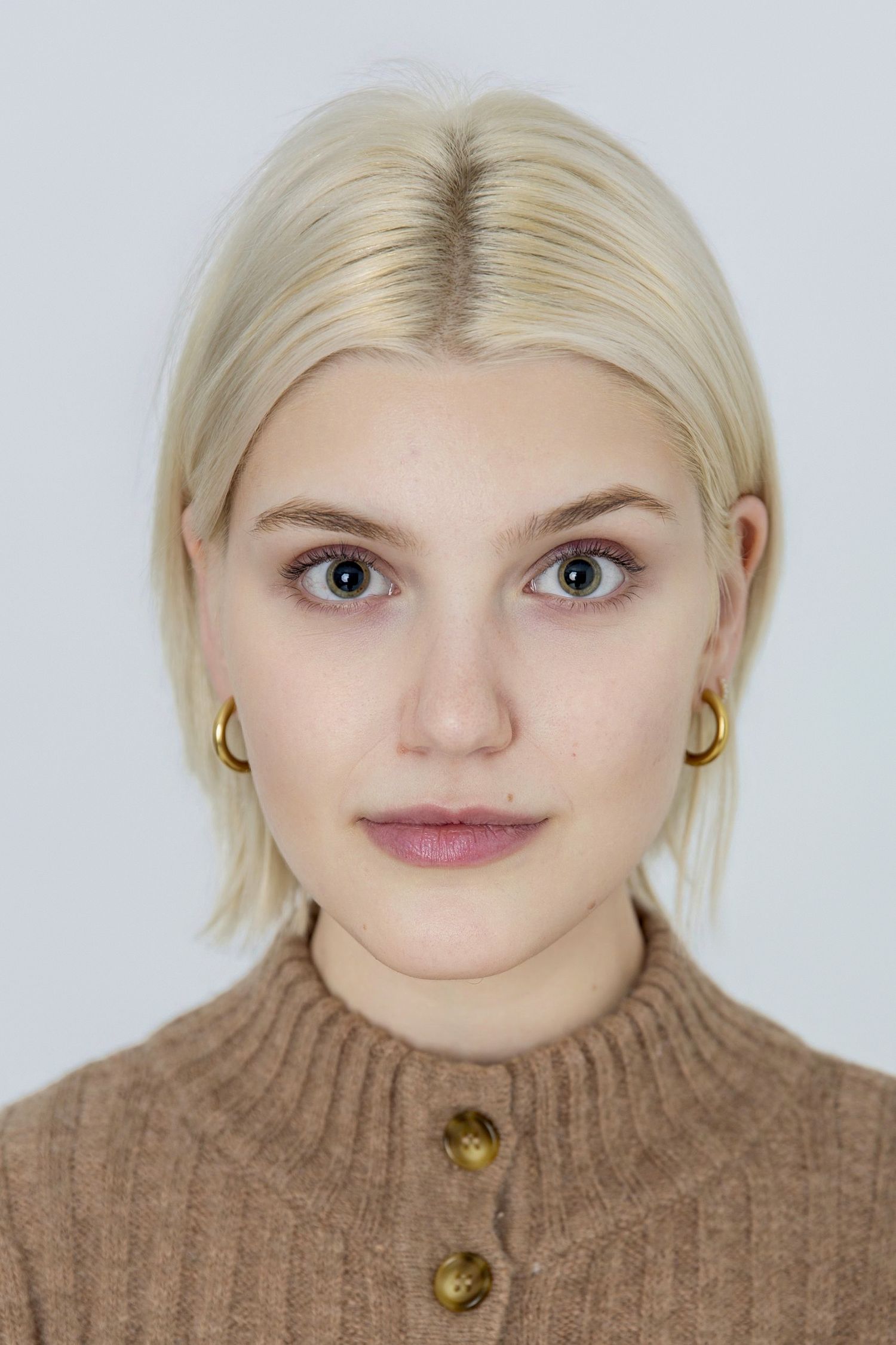
HERE IS THE APPROVED PASSPORT PHOTO!
To ensure your passport photo is accepted, it must meet all government requirements. Your face should fill 70–80% of the frame, with your head aligned with your shoulders and facing directly forward. A neutral expression is essential, and hats or sunglasses are not allowed. The photo must be in color and taken within the last six months to be valid.
Taking a high-quality, approved passport photo doesn’t have to be difficult once you know the common mistakes to avoid. Remember: keep a neutral expression, remove glasses, and maintain natural colouring. Follow these guidelines, and you’ll have a passport photo that is fully compliant and ready for submission. With your photo done correctly, your next adventure awaits—good luck, and don’t forget to smile (just not for the photo)!
Passport photos epping
Book Your Passport Photo with Us
Avoid the stress of passport photo rejection by letting professionals handle it for you. At our photography studio, we ensure every passport photo meets UK and international government requirements, from proper lighting and background to neutral expressions and natural colouring. Our experienced photographers know exactly how to position you, adjust lighting, and capture a photo that will be accepted the first time.
Booking is quick and easy—simply schedule a session with us, and we’ll take care of the rest. Stop worrying about wasted trips to the passport office or rejected photos. Get a compliant, high-quality passport photo today and focus on planning your next adventure with confidence!